Flush a standard tank water heater once a year, and every six months if you are on hard water. That is the manufacturer's own guidance, and for most homes in Sutter, Yuba, Butte, and Nevada County the honest answer sits closer to the annual end of that range than the salespeople selling softeners would like to admit.
The advice varies so much because "hard water" gets treated as a yes-or-no question when it is really a number. Here is what that number is locally, what sediment does to a tank, and when flushing stops being maintenance.
What Sediment Actually Does to a Tank
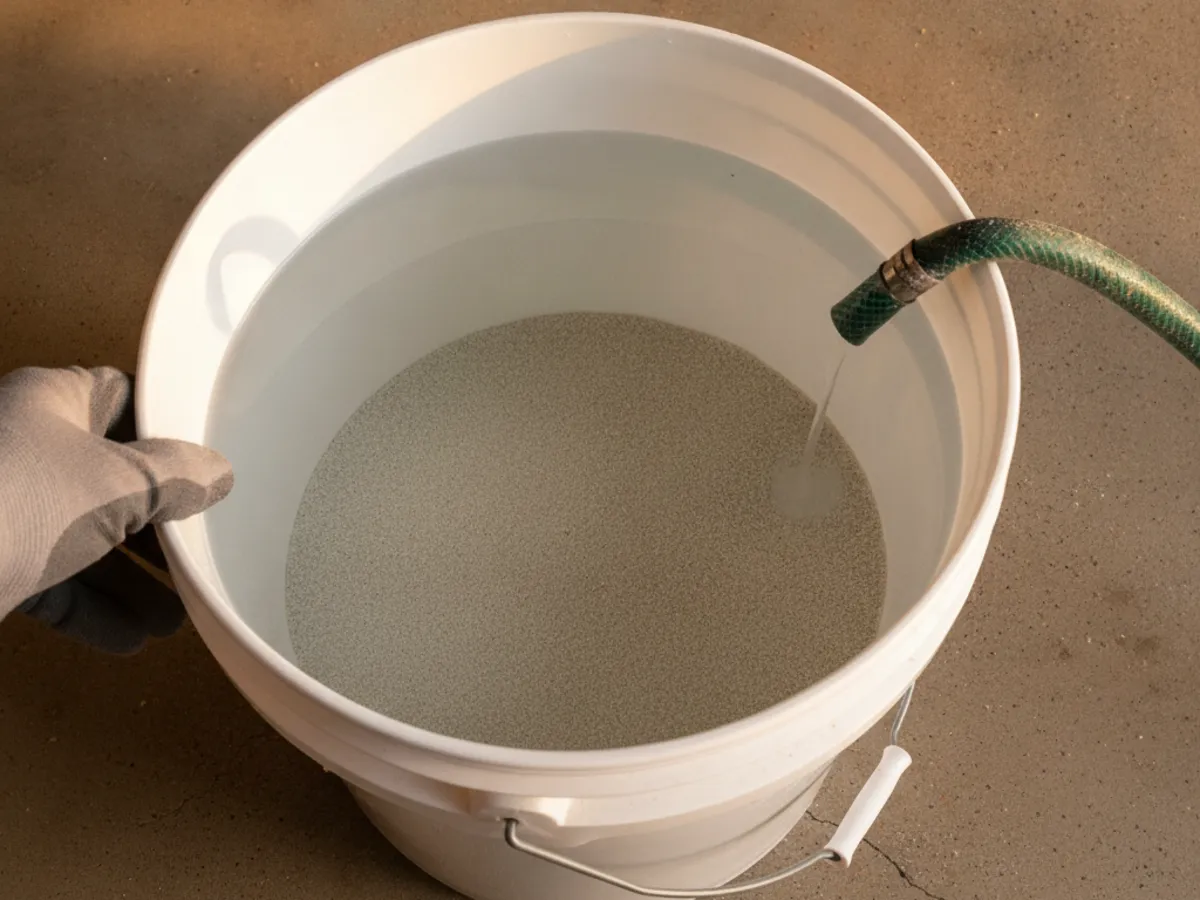
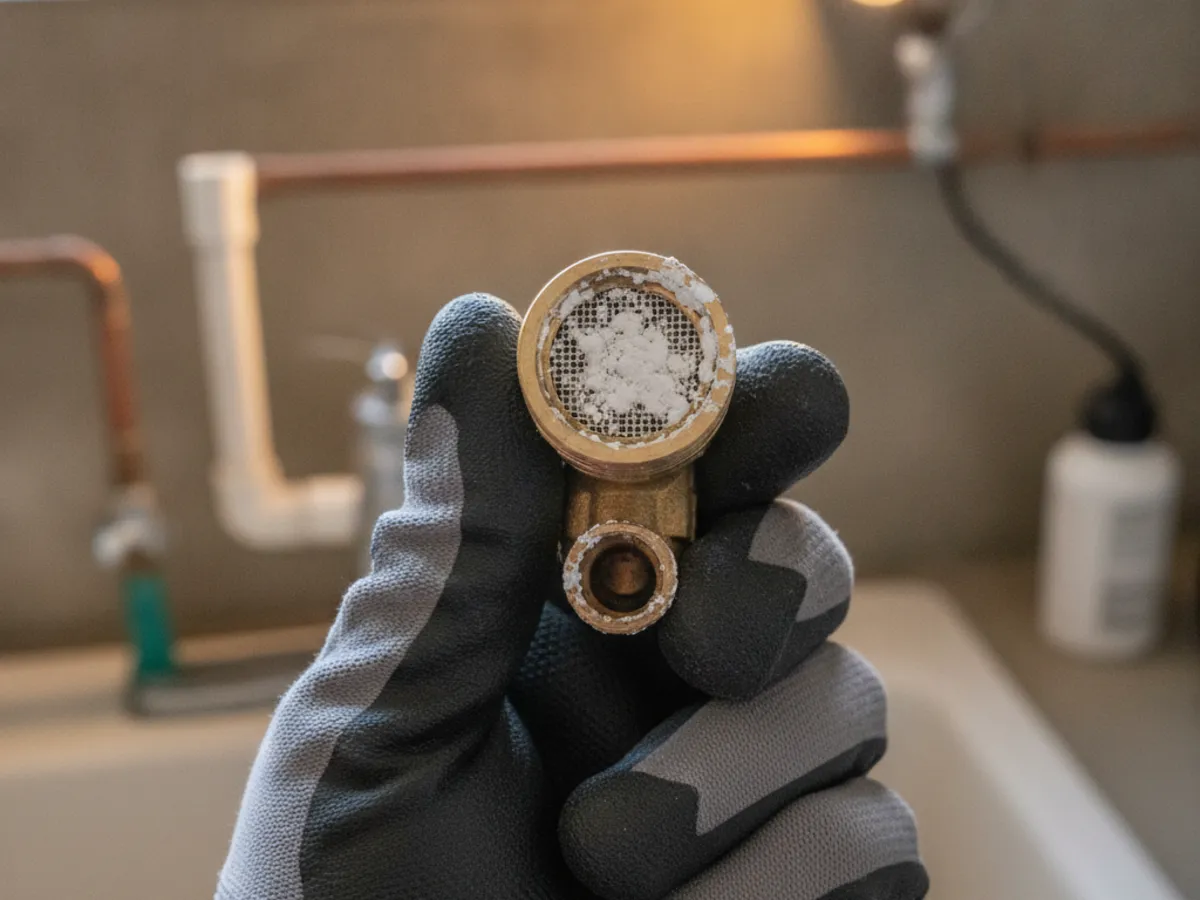
Calcium and magnesium come out of solution when water is heated and settle on the bottom of the tank. On a gas water heater that layer sits directly between the burner and the water it is supposed to be heating, so it acts as insulation. The burner has to run longer to reach the same thermostat setting, recovery between showers slows down, and the steel at the bottom of the tank runs hotter than it was designed to.
That is also where the noise comes from. The rumbling or popping homeowners describe on a service call is water flashing to steam underneath the sediment layer and forcing its way out — not a failure in itself, but a reliable sign the tank has been running inefficiently for a while.
On an electric unit the lower heating element ends up buried in sediment rather than suspended in water, which shortens element life and is a common reason a tank delivers lukewarm water while the upper element still works normally.
How Hard Is the Water Here, Really?
This is where most articles on the subject stop being useful, because they assert your water is hard without checking.
California Water Service publishes the figure for its Chico system. Its 2023 Chico System Water Quality Report states that "the current water quality table for your service area shows an average hardness of 123 ppm." By the report's own classification, 75 to 150 ppm is moderately hard — not very hard. That is roughly 7.2 grains per gallon.
That cuts both ways. If you have been told your Chico water is "very hard" as the lead-in to a softener quote, the utility's own testing does not support it. But moderately hard is not harmless either: sediment accumulates, and a garage tank that has never been drained in eight years has had plenty of time to build a layer regardless of where it sits on the scale.
Yuba City is served by the City of Yuba City rather than Cal Water, and its hardness figure appears in the city's annual Consumer Confidence Report. That is where to find your own number rather than a regional estimate — worth five minutes before agreeing to any water treatment purchase.
So What Schedule Should You Actually Use?
Rheem, which manufactures a large share of the tanks installed in this region, puts it plainly in its guidance on how often to flush a water heater: "For most households, it is recommended to flush your water heater once a year to help prevent sediment buildup and performance issues," and "if you have hard water, it's recommended to flush your system every six months."
Applied locally, that means:
- Annually for most homes in the Sacramento Valley on treated municipal water at moderate hardness.
- Every six months if you are on a private well, if you have visible sediment in the hot water, or if the tank has already started rumbling.
- Every six months for larger households, simply because more hot water drawn through the tank means more minerals deposited per year.
Tankless units are a separate case: no reservoir to collect sediment, but they scale internally and need descaling on the manufacturer's schedule instead.
What a Flush Will Not Fix
A flush is preventive. It clears loose sediment before it hardens into a shelf, and on a tank that has been maintained it will keep recovery times and efficiency close to where they started.
What it will not do is reverse damage already done. If the tank has corroded from the inside, or the anode rod was consumed years ago, flushing changes nothing about the outcome.
One warning: on a tank that has gone many years without maintenance, the first flush can dislodge a hardened layer and expose a drain valve that no longer seats properly. Plastic drain valves are especially prone to it. That is not a reason to avoid flushing — it is a reason not to attempt a first flush on a fifteen-year-old tank at 9pm on a Sunday.
And if the tank is leaking from the body rather than a fitting or the relief valve, maintenance is no longer the question. Our guide to the repair or replacement decision covers how age, leak location, and repair history should weigh into that call.
When Flushing Stops Being Worth It
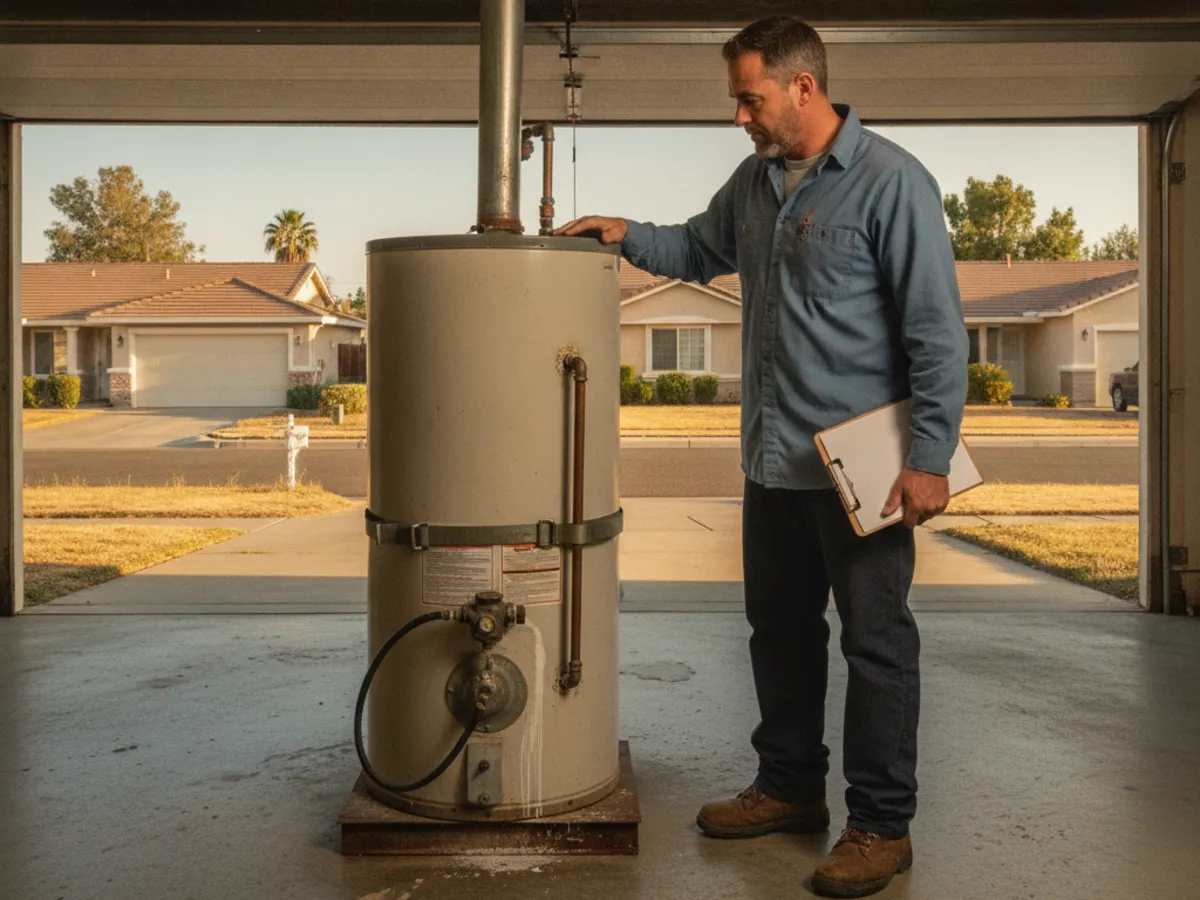
There is a point where an annual flush is just deferring a purchase. A tank past ten years old that is rumbling, recovering slowly, and has needed a repair in the last two years is telling you where it is heading. Flushing may buy a season. It will not buy another decade.
The better question at that stage is whether the existing installation still meets current code — seismic strapping, relief valve discharge routing, combustion air in a closed garage. Those items get addressed during a replacement anyway, and they are often the difference between a straightforward swap and a longer job.
Getting It Done
A flush is within reach for a confident homeowner with a hose and an afternoon, and there is no reason to pay for one on a newer tank you are comfortable draining yourself. It is worth handing over when the tank is old enough that the drain valve is a real risk, or when the rumbling has gone on long enough that you want an honest answer about remaining life.
If that is where you are, our standard tank water heater service covers flushing, valve and anode inspection, and a straight assessment of tank life. If something is already failing rather than just noisy, water heater repair is dispatched same day across Yuba City, Chico, and Grass Valley.
Get a Complete Water Heater Installation Quote
Call your nearest market for fast, focused service from Water Heater Specialists.